Current Suspected Overdose Deaths in Delaware for 2024: Get Help Now!
Find school water testing results and additional resources
Attention Medicaid Participants: Eligibility Renewals Restarted April 1, 2023

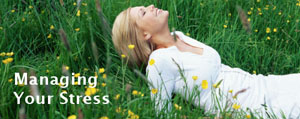
Stress affects us all. Sometimes we have just a little stress. At other times we may have major or long-term stress. Some stress can be helpful, but excessive or long-term stress may contribute to serious health problems.
Stress is usually caused by how we react to the people, events, and changes in our lives. We are living in a time of rapid technological, scientific, social, economic, and political change. We often don't know how to cope with these changes. Learning effective stress management skills may be one of the most important things you can do for your health.
 Stress is your body's natural way of defending itself from threats. Those threats may be real or imagined, physical or mental. Whenever you feel threatened, your body becomes keyed up to fight off or run away from the threat. Your brain triggers the release of several "stress hormones"—such as cortisol and adrenaline—which give you the extra strength you need to fight or run.
This body response is most helpful when threats are real or physical. We need the stress response to help us cope with real emergencies. The energy from stress also can help us in non-emergency situations if we channel the energy into positive activities.
However, threats today are more often mental than physical. We may feel unable or unwilling to take action. Sometimes we just have more stress than we can handle. To make matters worse, we may never have learned the skills we need to relax and unwind from the effects of a day's stress.
That's when stress becomes a threat to our health. It's like running a machine at full speed all day every day, without any service breaks. The excess wear and tear caused by constantly running a machine—or our bodies—at top speed can quickly lead to break-down or illness.
If you feel threatened all the time, and you haven't learned how to cope, you may have chronic stress. Chronic (or constant) stress can weaken your body's immune system, leading to frequent illness. Chemical changes in your body caused by the stress response can contribute to ulcers or colitis. Chronic stress may lead to chronically high blood pressure, called "hypertension"—a leading cause of heart disease.
Symptoms of stress may include cold hands and feet, frequent headaches, nervousness, and muscle tension. When you're under stress you may also notice you're eating more, getting angry more often, or smoking or drinking more.
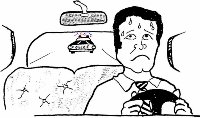
We actually cause much, if not most, of our own stress.
We create stress for ourselves by the way we think about the changes and challenges in our lives. It is often our perception of events—rather than the events themselves—which triggers our stress. If we think something or someone is threatening, we have a stress response.
For example, you may remember a time when a police car pulled up behind you with its lights flashing. Even if the police car passed you and went on to stop someone else, you probably felt some degree of stress.
If we cause much of our own stress, then we also have the ability to relieve or manage that stress.
We can learn to see new situations or changes in our lives as positive opportunities. People who are successful at managing stress are not afraid of change. They see change as a source for growth and creativity.
If you're filled with fear, anger or hatred, that's what will come out of you when you're stressed. If you want a better response when you're under stress, you need to practice filling your mind with positive thoughts, love, and a sense of adventure.

 Please note: Some of the files available on this page are in Adobe PDF format which requires Adobe Acrobat Reader. A free copy of Adobe Acrobat Reader can be downloaded directly from Adobe . If you are using an assistive technology unable to read Adobe PDF, please either view the corresponding text only version (if available) or visit Adobe's Accessibility Tools page.
About the Department
Secretary's Letter
Secretary Bio
Newsroom
State Jobs
Calendar
Delaware Health Care Commission
DHSS Administration Contact
Federal COVID Funding Dashboard
Delaware's Governor
State Agencies
Elected Officials
General Assembly
Delaware Courts
State Employees
Cities & Towns
Delaware State Code
State Regulations
Business First Steps
Phone Directory
Locations Directory
Public Meetings
Voting & Elections
Transparency
Delaware Marketplace
Tax Center
Personal Income Tax
Privacy Policy
Weather & Travel
Contact Us
Corporations
Franchise Tax
Gross Receipts Tax
Withholding Tax
Delaware Topics
Help Center
Mobile Apps
E-mail / Text Alerts
Social Media


Built by the Government Information Center
©MMXVIII Delaware.gov


